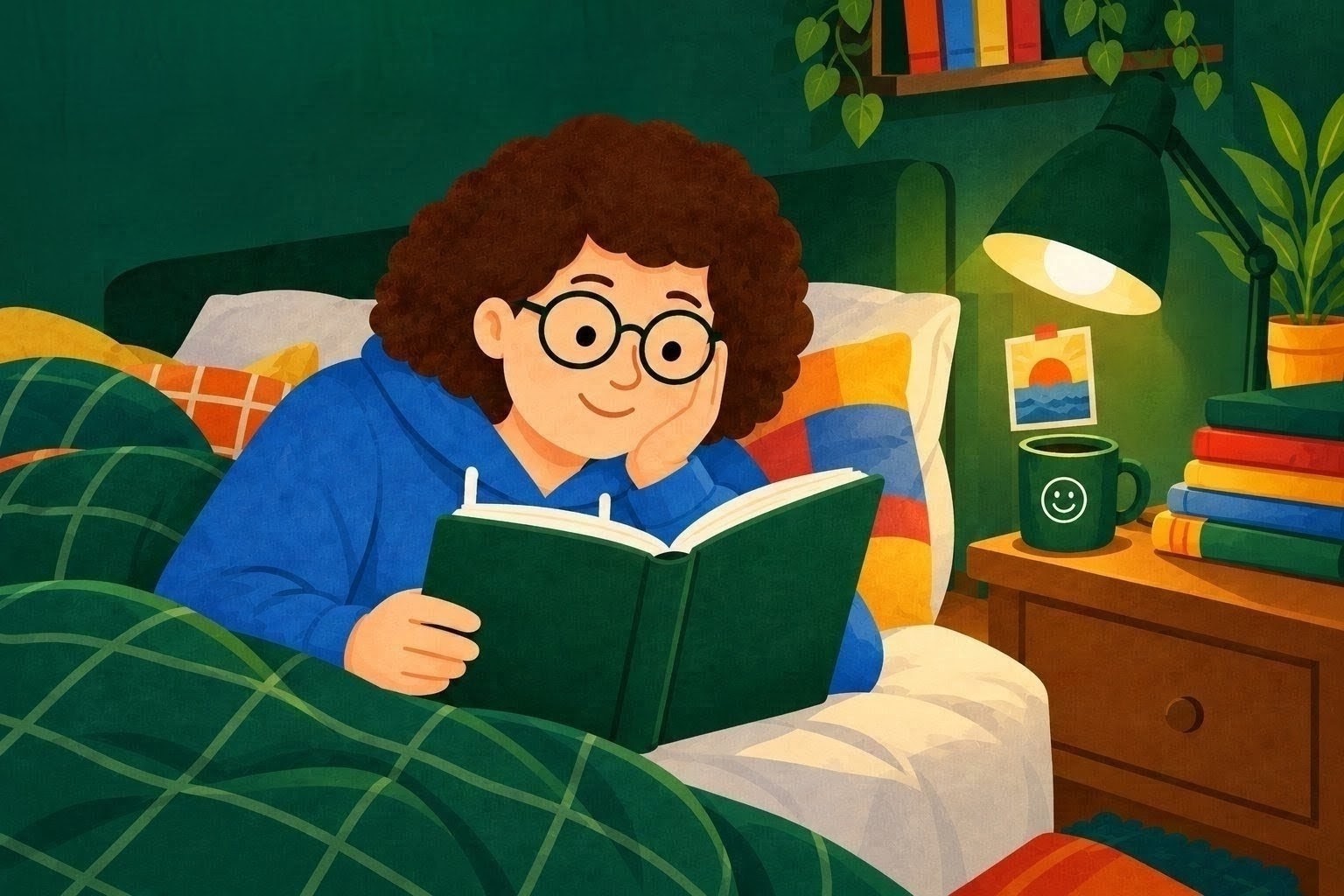
When parents think about 11+ preparation, they often picture practice papers and maths drills. Those have their place, but the habit that helps most across the whole test is regular reading.
Every paper is a reading test
Comprehension is the obvious one, but reading sits underneath everything else too. A maths word problem has to be understood before it can be solved. Verbal reasoning questions, used in many areas, lean heavily on vocabulary. Even the instructions at the top of a section need to be read properly. A child who reads fluently has more time and attention left for the thinking.
What reading builds
- Vocabulary: children meet far more words in books than in everyday conversation, and they learn them in context.
- Inference: working out how a character feels or why something happened is exactly the skill comprehension questions test.
- Stamina: staying focused through a full paper is easier for a child who is used to reading for twenty minutes at a time.
- Confidence: unfamiliar texts feel less daunting when reading is a normal part of the day.
Why it can't be crammed
Vocabulary and comprehension grow slowly, over months and years. A few weeks of word lists will not do what a steady reading habit does, which is why it is worth starting early and keeping it going right up to the test.
Making it work at home
- Aim for a little every day rather than long sessions now and then. Fifteen to twenty minutes is plenty.
- Let your child choose some of their own books. Enjoyment keeps the habit going.
- Mix fiction with non-fiction, such as magazines, biographies or books about their hobbies.
- Talk about what they have read. Ask what a word might mean, why a character made a choice, or what they think will happen next.
- Keep reading aloud together, even with older children. Hearing a confident reader models expression and introduces harder words.
If you only do one thing alongside your child's practice, make it reading. It pays off in the test and well beyond it.